
Understanding the brain chemistry behind compulsive scrolling - and how to reset it.
When Every Swipe Feels Good
That small buzz of satisfaction? That’s dopamine at work — the brain’s chemical messenger of motivation, anticipation, and reward. It’s not pleasure itself, but the promise of it. Dopamine whispers, “Something good is coming — keep checking.”
What once helped early humans hunt, build, and survive has become a feedback loop of digital craving. Every swipe, like, and scroll gives the brain a micro-dose of anticipation and reward — but as the cycle repeats, it becomes harder to find satisfaction anywhere else.
This isn’t merely a matter of self-control. It’s neurochemical conditioning, engineered by designers who understand how to keep us hooked. Yet Scripture offers a radical alternative: “Why spend money on what is not bread, and your labor on what does not satisfy?” (Isaiah 55:2).
Technology is not evil — but when it rewires our capacity for desire, it quietly shapes our souls.
The Science of Dopamine and Digital Design
Dopamine is a neurotransmitter released in the mesolimbic reward pathway, particularly in areas like the ventral tegmental area (VTA) and nucleus accumbens — the same circuitry activated by food, sex, and achievement. It motivates behavior and reinforces habits by rewarding us with anticipation of pleasure.
Modern apps and games exploit this system through what psychologists call intermittent variable rewards — rewards given at unpredictable intervals. Slot machines use it. So do TikTok, Instagram, and Fortnite. Each “pull to refresh” or unexpected “like” mimics gambling psychology: unpredictability drives compulsive checking.
A Stanford study (2018) found that constant phone checking lights up dopamine pathways in the same regions as substance addiction. Similarly, Caltech researchers showed that unpredictable feedback — like waiting for notifications — increases dopamine firing rates dramatically. In short: our devices are built to manipulate our biology.
Even small pings and buzzes activate the anticipation loop, creating a neurochemical itch that demands scratching. And the more we feed it, the less sensitive our receptors become — requiring greater stimulation for the same effect.
But as Jesus said, “Everyone who drinks this water will be thirsty again.” (John 4:13). The human heart — and brain — weren’t designed for endless novelty. They were designed for meaning.

The addictive loop: Craving More, Enjoying Less
As dopamine surges repeatedly, the brain compensates by reducing its baseline sensitivity. The result? A dopamine deficit state — the more we chase stimulation, the less pleasure we experience.
Dr. Anna Lembke, professor of psychiatry at Stanford and author of Dopamine Nation (2021), explains:
“The pleasure-pain balance in the brain is like a teeter-totter. Every pleasure we seek pushes down one side; the brain responds by tilting it back toward pain to restore balance. The more we overstimulate, the harder it becomes to feel joy in ordinary life.”
Gaming intensifies this effect. Fortnite, for example, uses “near-miss” mechanics, bright colors, and sound triggers that spike dopamine. A 2019 NIH study found that heavy gamers show reduced activity in the prefrontal cortex — the area responsible for impulse control and decision-making — and increased reactivity in the amygdala, which processes emotion and reward.
Our minds were meant to be still enough to hear God’s whisper (1 Kings 19:12). But overstimulation drowns it out.
The Heart's Disordered Desires
God created dopamine as part of our design for reward-driven joy — to help us delight in good gifts, work diligently, and seek relationship. But when desire detaches from its Creator, it turns on itself.
Jeremiah 2:13 describes this poignantly: “My people have committed two sins: they have forsaken me, the spring of living water, and have dug their own cisterns, broken cisterns that cannot hold water.”
Digital addiction is one of those broken cisterns — promising refreshment, delivering emptiness.
Jesus didn’t come to crush desire; He came to redeem it. He told the woman at the well, “Whoever drinks the water I give them will never thirst.” (John 4:14). He offered lasting satisfaction to a soul exhausted by temporary thrills — just as He offers us freedom from endless scrolling.
Our problem isn’t that we desire too much; it’s that we settle for too little.
The Social Media Feedback Loop: The New Babel of Validation
If dopamine addiction starts in the brain, social media magnifies it through the soul.
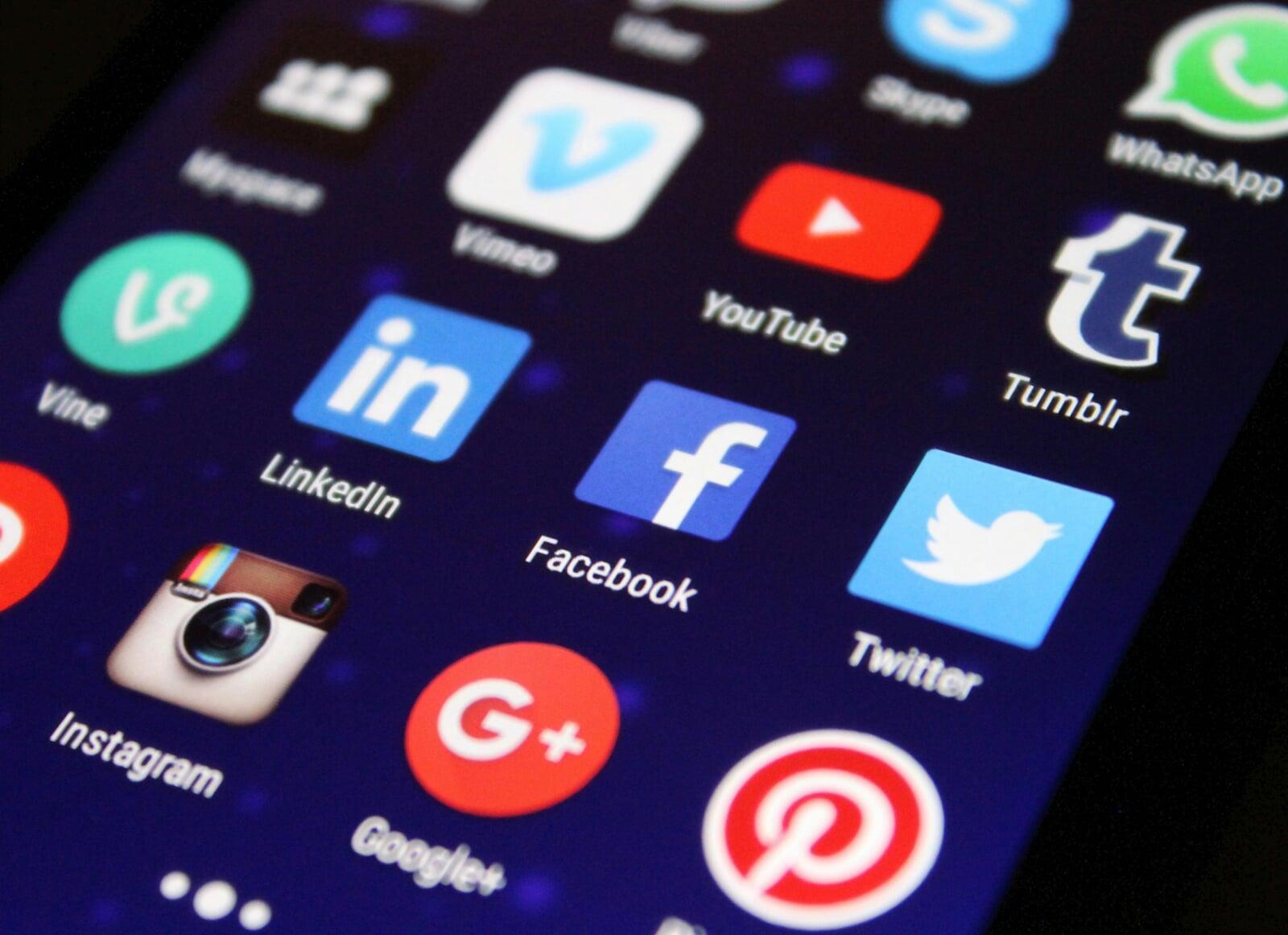
Platforms like Instagram, Snapchat, and TikTok are dopamine factories, designed for social validation. Each notification acts like a slot-machine lever — unpredictable, rewarding, and deeply personal. Psychologists call this variable ratio reinforcement — the most powerful conditioning schedule known.
A Pew Research Center (2023) report found that 51% of teens feel “almost constantly” online, with over 35% saying social media causes them “a lot” of pressure to look good and gain approval. Meanwhile, Harvard’s Center for Internet and Society found direct correlation between frequent social media use and higher rates of anxiety, loneliness, and depressive symptoms — especially among young women.
This “selfie mentality” trains us to evaluate worth by visibility and approval — by likes instead of love. Our dopamine systems become wired not just for pleasure, but for praise.
The Tower of Babel wasn’t built out of rebellion alone — it was built from a desire to “make a name for ourselves” (Genesis 11:4). Today, our towers are digital, but the temptation remains.
Breaking the Dopamine loop
Escaping the dopamine trap doesn’t mean abandoning technology; it means retraining the brain and reordering the heart. The good news is that the same neuroplasticity that formed our habits can reform them.
Dr. Anna Lembke and other neuroscientists recommend a 30-day dopamine fast — not to eliminate all pleasure, but to reset the brain’s sensitivity. During this period, avoiding highly stimulating activities (social media, gaming, streaming) allows dopamine levels to stabilize, reducing cravings and restoring balance.
Other practical steps supported by research include:
Monotasking: Focus on one task at a time. The prefrontal cortex thrives on depth, not multitasking.
E-ink devices or grayscale screens: Reduce visual overstimulation and reclaim calm focus.
Deep work blocks: Set specific times for uninterrupted work or study (Cal Newport, Deep Work).
Exercise and outdoor time: Physical movement naturally balances dopamine through endorphins and serotonin.
Silence and Sabbath: Create rhythms of rest — one day a week of digital detox, or even shorter daily “mini-fasts.”
Fasting breaks the lie that “more” equals fulfillment. It trains the soul to delight in “enough.”
Renewed Minds, Redeemed Desires
Neuroscientists call it neuroplasticity — the brain’s ability to rewire itself through repeated habits. Scripture calls it renewal.
This is what sanctification looks like in a digital age: reprogramming our habits of thought, not through self-effort alone, but by the Spirit’s power.
As the Psalmist says, “I have set the Lord always before me; because He is at my right hand, I shall not be shaken.”(Psalm 16:8).
The battle for our minds is ultimately a battle for what we behold.
The Freedom of Focus
The gospel doesn’t call us to suppress desire, but to redirect it toward the only object worthy of it — God Himself. As Augustine wrote, “You have made us for Yourself, O Lord, and our hearts are restless until they rest in You.”

Have you seen struggles in these areas yourself? What are some practices you have tried to help? Share your thoughts in the comment section below.
This is the First post in an Eight Part Series entitled Faith and Focus: Following Jesus in an Age of Distraction. Please be sure to get the whole story by reading each post. I pray they are an encouragement to you.
Post 1: The Attention Crisis Nobody's Talking About
Post 2: The Dopamine Generation: How Our Phones Hijack the Reward System
Post 3: The Selfie Paradox: Identity in the Age of Comparison
Post 4: Gaming, Screens, and the Adrenaline Trap
Post 5 The Eyes of Man Are Never Satisfied: Content Overload and Spiritual Emptiness
Post 6: Rewiring the Heart: The Gospel's Answer to a Distracted Age
Post 7: Beholding and Becoming: The Theology of Attention
Post 8: Renewing the Mind: A Practical Path Toward Digital Discipleship
Check back weekly for the next post.
Lembke, Anna. Dopamine Nation: Finding Balance in the Age of Indulgence. Stanford University Press, 2021.
Pew Research Center. Teens, Social Media and Technology 2023.
American Psychological Association. “Social Media and Mental Health.” (2022).
Cal Newport. Deep Work: Rules for Focused Success in a Distracted World. Grand Central Publishing, 2016.
Stanford University School of Medicine. “Smartphone Use and Addiction Pathways.” (2018).
National Institutes of Health. “Effects of Internet Gaming on Brain Structure and Function.” (2019).
Harvard Center for Internet and Society. “The Social Media Feedback Loop and Mental Health.” (2022).